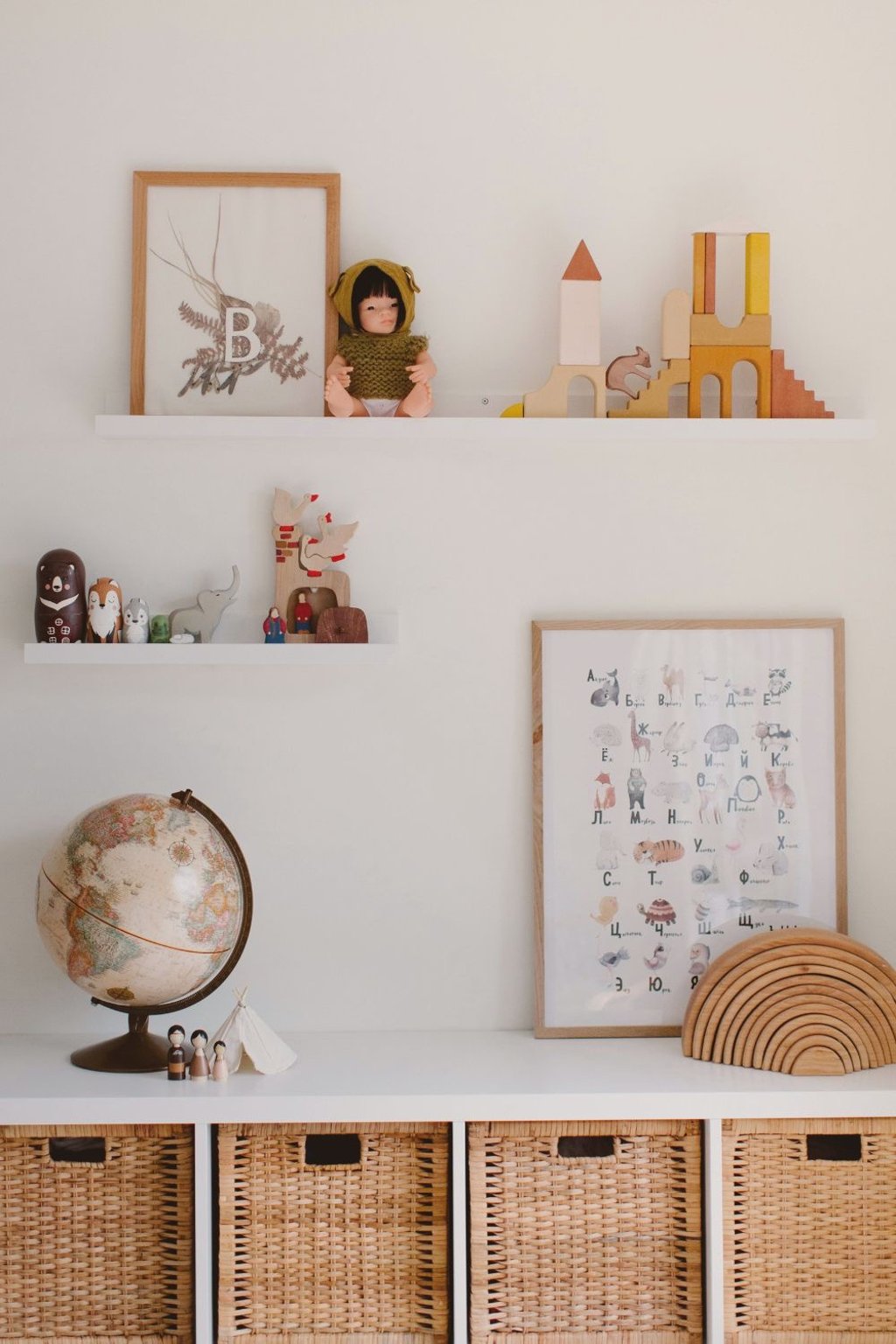
Organizing With Kids Without Losing Your Mind
Your home doesn’t need to look perfect to feel peaceful. When kids live there, “organized” looks a little different — and that’s okay.
Parenting and clutter have a very toxic little friendship. One minute your living room looks calm and collected, and the next it looks like a toy store exploded during a tornado warning.
And honestly? Most parents are not failing at organization. They’re just trying to organize a home that’s actively being lived in by tiny humans who somehow leave socks in places socks should never be.
If you’ve been feeling overwhelmed by toys, paper piles, random crafts, mystery snack crumbs, and the emotional support stuffed animals that apparently cannot be thrown away under any circumstance… this post is for you.
Because organizing with kids is not about creating a showroom house.
It’s about creating systems that help your home function without exhausting you.
First: Lower the “Pinterest Perfect” Expectation
A calm home with children does not mean:
spotless floors 24/7
perfectly folded toy bins
color-coded snack drawers
neutral wooden toys only
a living room that looks untouched by humanity
Real family homes are lived in.
The goal is not perfection.
The goal is recovery.
Can your home reset fairly quickly after a messy day?
Can you find things without a full excavation project?
Can your systems survive normal family life?
That’s what matters.
The Biggest Decluttering Mistake Parents Make
A lot of families try organizing before decluttering.
Which usually means:
buying bins for things nobody uses
creating storage for broken toys
keeping clothes kids outgrew three emotional seasons ago
stuffing closets until opening the door feels dangerous
Before organizing anything, reduce the volume first.
Kids outgrow things constantly. Their interests change fast. Their stuff multiplies overnight.
You do not need to keep every:
Happy Meal toy
school worksheet
plastic party favor
dried-out marker
puzzle missing 14 pieces
tiny mystery object nobody claims ownership of
If it’s broken, ignored, duplicated, or stressing you out every single day, it may not deserve permanent real estate in your home.
Create “Easy Cleanup” Systems
The best organizing systems for families are the ones children can actually maintain.
This is where many complicated systems fall apart.
Kids do not care about your aesthetic labels.
They care about simple.
Try:
open baskets instead of lids
broad categories instead of hyper-specific sorting
fewer toys available at once
low shelves they can reach
quick nightly resets instead of marathon cleaning sessions
A bin labeled “Cars” will survive.
A 14-category micro-organized system for toy vehicles probably will not.
Toy Rotation Changes Everything
One of the fastest ways to reduce visual clutter is to stop having every toy out at the same time.
Children often play better with fewer options.
Try storing half the toys away and rotating them every few weeks.
Suddenly:
old toys feel new again
cleanup gets easier
floors become visible
your brain stops feeling overstimulated
And no, this does not make you a mean parent.
It makes you a parent who enjoys walking through the hallway without stepping on plastic dinosaurs at midnight.
Stop Organizing for Fantasy Life
This one matters.
Do not organize for the imaginary version of your family.
Organize for the family you actually have.
If your kids dump art supplies on the kitchen table daily, create an art station nearby instead of fighting reality forever.
If backpacks always land by the door, create a landing zone there instead of repeatedly asking everyone to carry them upstairs.
Good organization works with your habits, not against them.
The 10-Minute Family Reset
One of the best habits for homes with kids is a simple nightly reset.
Not a deep clean.
Not a punishment.
Not a two-hour cleaning marathon while muttering under your breath.
Just 10 focused minutes.
Try:
tossing trash
returning toys to bins
clearing surfaces
resetting pillows and blankets
loading dishes
putting shoes and backpacks away
Set a timer. Put music on. Make it part of the evening rhythm.
Tiny consistent resets usually work better than waiting until the house feels impossible.
Give Yourself Permission to Let Some Things Go
Some seasons of life are messy.
Babies. Toddlers. School years. Sports schedules. Sick weeks. Growth spurts. Holidays.
Your home does not need to look untouched to be a good home.
A basket of laundry waiting to be folded does not mean you are failing.
Neither does fingerprints on the fridge.
Or toys in the living room.
Or the fact that children somehow generate 47 water bottles.
Organization is not about creating pressure.
It’s about creating a little more breathing room for the people living there.
And sometimes “organized enough” is actually the goal.