The Decluttering Rule Nobody Talks About (But Changes Everything)
Everyone loves a good decluttering tip.
“Start small.”
“Do one drawer at a time.”
“Ask if it sparks joy.”
All helpful. All true.
And yet… homes still fill back up.
Not because you’re doing it wrong.
But because there’s one rule no one really talks about—the one that quietly determines whether clutter leaves for good or just… takes a short vacation.
Let’s talk about it.
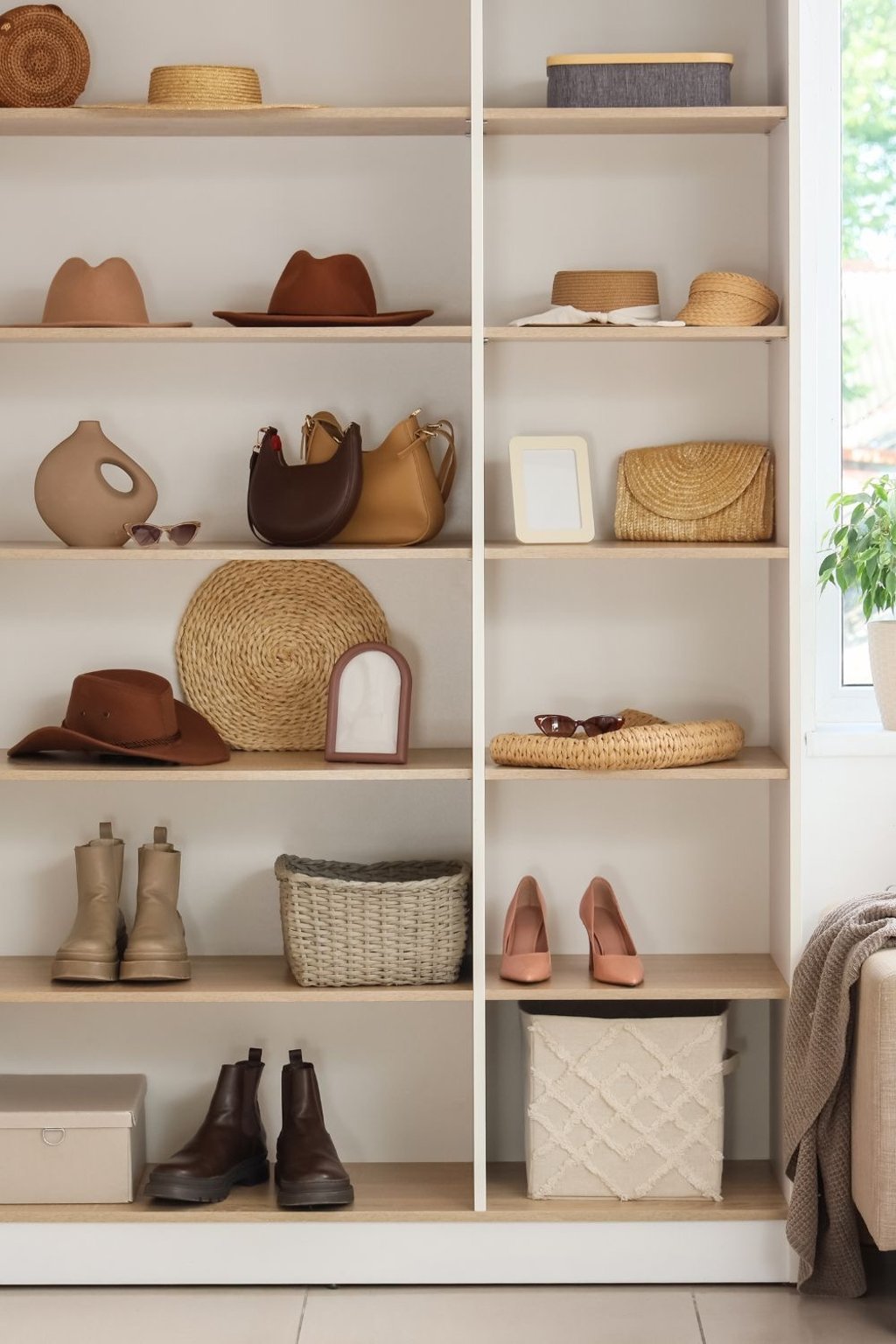
The Rule: If It Doesn’t Have a Home, It Will Become Clutter
That’s it.
Not because you’re messy.
Not because you lack discipline.
Because your home runs on placement, not intention.
If something doesn’t have a clearly defined place to return to, it will drift.
And drifting things? They gather. They stack. They become “I’ll deal with it later.”
Why This Rule Matters More Than Any Decluttering Method
You can declutter all day long—but if what remains has nowhere to live, the clutter comes back wearing a different outfit.
This is why:
You clean the counter… and it slowly fills again
You organize a drawer… and it becomes random within weeks
You “reset” a room… and it quietly unravels
Because the system wasn’t finished.
Decluttering is only step one.
Assigning a home is what makes it stick.
What “A Home” Actually Means (Hint: It’s Not Complicated)
A home doesn’t mean a perfectly labeled bin or a Pinterest-worthy system.
It simply means:
You know exactly where the item belongs
You can put it away in seconds
It makes sense for how you actually live
That’s it.
If it takes effort, thought, or rearranging other things to put it away… it doesn’t have a real home yet.
How to Apply This Rule (Without Overhauling Your Life)
Let’s keep this simple and very doable.
1. Start With What’s Always Out
Look around. What never seems to get put away?
Mail
Chargers
Shoes
Water bottles
That one “random” pile
These are your clues. These items are telling you: we don’t have a home.
2. Create Homes That Match Reality
Not fantasy. Not perfection. Real life.
Mail → one basket (not five categories)
Chargers → one drawer or tray
Shoes → a small, realistic drop zone
Everyday items → within reach, not hidden away
If it’s used daily, it should live easily.
3. Make It Effortless to Put Things Back
This is where most systems quietly fail.
If putting something away requires:
Opening multiple drawers
Moving other items
Making it look “perfect”
…it won’t happen consistently.
Aim for: drop, place, done.
4. Don’t Over-Assign Homes
Not everything needs a system.
Some things just need:
A simple container
A single shelf
A designated “good enough” spot
Overcomplicating is just clutter… wearing a label.
5. Adjust Without Guilt
If something keeps ending up in the wrong place, don’t force it back.
Move the home.
Your habits are data. Not failure.
The Subtle Shift That Changes Everything
When everything has a home, your home starts working with you instead of against you.
You’ll notice:
You tidy faster (because decisions are gone)
Surfaces stay clearer (because things know where to go)
You feel less overwhelmed (because nothing is floating)
And the best part?
You stop “decluttering” the same things over and over again.
The Gentle Truth
Clutter isn’t just about having too much.
It’s about having things with nowhere to land.
Give your belongings a place to return to, and suddenly… your home starts holding itself together a little more gracefully.
If This Hit Home…
This is just one piece of a much bigger system.
If you want a clear, step-by-step approach to deciding what stays, what goes, and how to create a home that actually stays calm, that’s exactly what The Declutter Method walks you through.
No overwhelm. No perfection. Just a smarter way to let things go—and keep them gone